- Home
- Editorials
- 7 Realistic Predictions for Web Design in 2026
7 Realistic Predictions for Web Design in 2026

Forget the buzzwords — 2026 is not about AI hype or flashy tools. 2026 is about designers reclaiming taste, calmness, and authenticity in a web that has lost its soul. The future of design will be slower, smaller, and infinitely more human.
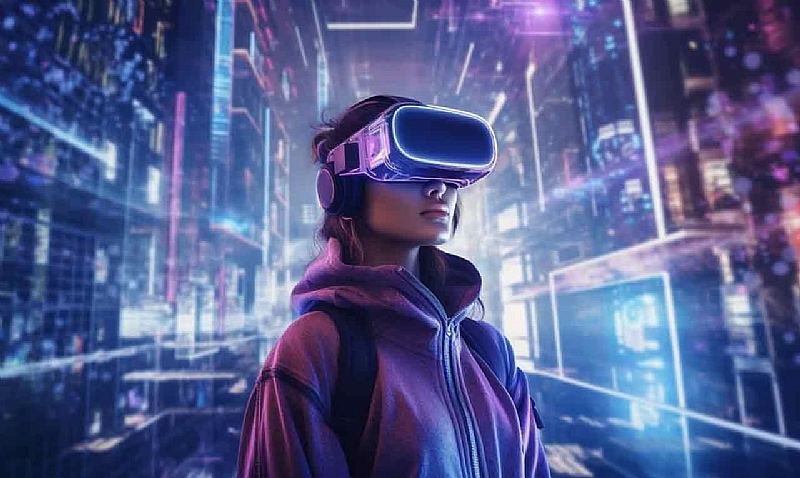
Every December, design Twitter fills with lists of "popular trends" that sound like algorithm‑generated buzzwords: "AI‑driven ecosystems," "metaverse‑ready experiences," "contextual design synergies."
But the truth is, 2026 will not be a revolutionary year. It will be a restorative one.
For years we chased tools, speed, and automation. Now designers are searching for something deeper: meaning, intention, and the human touch lost along the way. The new era of web design will not be about more technology. It will be about using it more wisely. Here’s what will really happen.
1. The Internet Breaks Beyond the Screen
For thirty years we’ve been designing for rectangles, and it’s starting to feel limiting. The web no longer sits still; it spreads beyond screens into everything around us. Designers will begin to think spatially and contextually. How does an interface translate into a smartwatch glance? A voice command? A car dashboard?
Even a subtle change of light in a room? The line between "web design" and "experience design" will blur completely. This doesn’t mean we’ll all become AR architects; it means we’ll need to think within systems of existence. Where does your design live when there’s no browser window? In 2026, good design won’t just look good — it will feel good wherever it appears. The focus will shift from control to choreography: how information moves gracefully across different environments. The web will no longer just be a place we go; it will be something that moves with us.
2. AI Becomes Invisible
In 2025 everything wanted to scream "AI‑powered." In 2026, the quietest tools will be the best. The hype cycle is over. Designers don’t need to see AI; they just want it to handle the boring tasks without getting in the way. Winners will be tools that blend into workflows: auto‑organizing layers, rewriting alt text, fixing accessibility gaps, cleaning messy code, or adjusting microcopy tone based on context.
AI’s noisy era is ending. The next stage is elegance: invisible automation that helps you design faster while making things feel more human, not less. We’ll see a cultural shift: from "AI as artist" to "AI as apprentice." The goal is not to remove humans, but to remove friction. By this time next year, you won’t be talking about good AI. You’ll barely notice it, because it will finally feel like part of the craft.
3. The End of the AI Look
You know the aesthetic: perfect spacing, neutral gradients, the same four typefaces, the same polite, emotionless tone. Beautiful like a hotel lobby; pleasant but forgettable. That’s about to change. Designers are restless, and the balance is swinging the other way. Expect asymmetry, intentional roughness, mismatched fonts, imperfect color grading, and compositions that feel alive rather than machine‑balanced.
The new aesthetic value will be humanity. Imperfection will become a signature of authorship, a reminder that someone cared enough to break the rules. This won’t be a "retro" revival. It will be post‑AI humanism. We’ll see works that celebrate their flaws: pixelated edges, hand‑drawn icons, subtle irregularities that whisper "I made this." When everything looks perfect, imperfection becomes power.
4. The Return of Taste
For the past decade, design culture has been obsessed with tools. Designers defined themselves not by what they created, but by what they used (Figma, Framer, Webflow). In 2026, this will reverse. The conversation will return to taste.
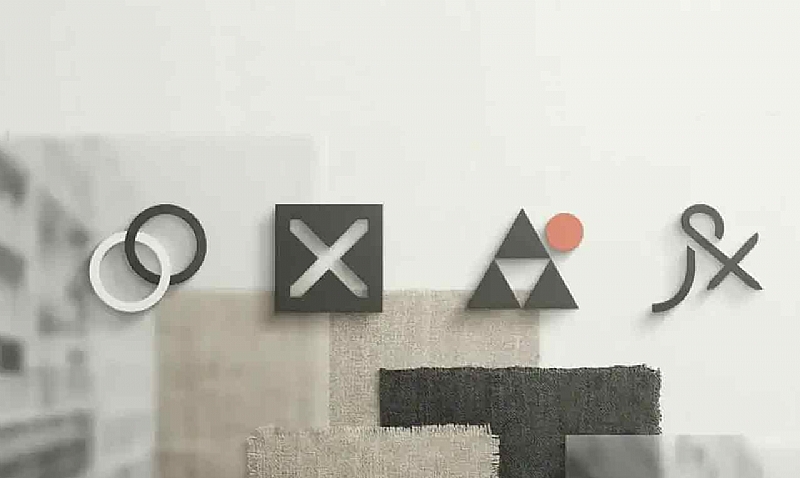
Taste is hard to define but easy to recognize. The choice of a single calm typeface can feel inevitable. It lies in restraint with whitespace. It’s the confidence to choose one idea and let it breathe. This shift is already visible in typography. Designers are rediscovering type as a voice — expressive, intentional, deeply personal. A good type choice can say more than any logo ever could. We’ll also see a broader cultural shift from creation to curation: less "Look what I made," more "Look what I chose." Taste will become the new measure of credibility. Tools are powerful now; taste is the last unfair advantage.
5. The Rise of Microbrands
The next wave of creativity will not come from agencies or startups, but from individuals who think like studios. Microbrands — small studios run by one or two designers, focused on personality — thrive because they move differently. They’re not optimized for growth or customer retention; they’re optimized for character.
Microbrands don’t market; they attract. Clients care less about process and more about perspective. These designers don’t hide behind corporate tone; they speak like humans, with humor, warmth, and conviction. The internet has made reputation stronger than scale. A single designer with strong taste and a consistent voice can reach the same audience once reserved for entire agencies. In 2026, microbrands will define the creative landscape. They’ll remind us that small doesn’t mean limited — it means focused. And they’ll show that trust is built not by headcount, but by authenticity.
6. Authenticity Matters More Than Optimization
For a decade we optimized everything: every pixel, every click, every conversion. But somehow, we optimized the soul out of the web. Users are tired of interfaces that feel like sales funnels. They crave something real — something that speaks like a person, not a brand strategist.
In 2026, authenticity will become the key metric. Copywriting will adopt a more relaxed tone. Visuals will reflect reality instead of cliché perfection. Designs will breathe again. Designers will prioritize style over polish. This doesn’t mean ignoring performance or UX best practices. It means recognizing that emotion is also a form of usability. A site that makes people feel valued will always outperform one that just makes them click. Ultimately, we’ll remember that the true measure of success is not conversion, but connection.
7. The Quiet Web
After years of noise — pop‑ups, paywalls, algorithmic feeds — the most radical thing a designer can do now is something peaceful. The Quiet Web is the rising counterculture of digital design: personal sites, creative blogs, and small online spaces built without growth goals. They exist not to sell or acquire, but to express.
In 2026, more designers will reclaim this spirit. They’ll build small, carefully crafted websites for themselves — digital gardens, essays, portfolios — where personality replaces polish. The Quiet Internet is not nostalgia. It’s recovery. It’s the rediscovery of craft after burnout. A slower, more intentional web built by people who love making things again. And it’s spreading quietly.
Final Thought
The future of web design is not about a new tool or framework. It’s about rediscovering taste, calmness, and purpose. We’ve automated the hard parts. We’ve scaled the easy parts.
Now it’s time for the meaningful parts. The designers who define 2026 won’t chase trends; they’ll reclaim intention. They’re shaping a web that is more human, more thoughtful, and more alive.